
The Rise of Education, Literacy and Discretion as Markers of Status
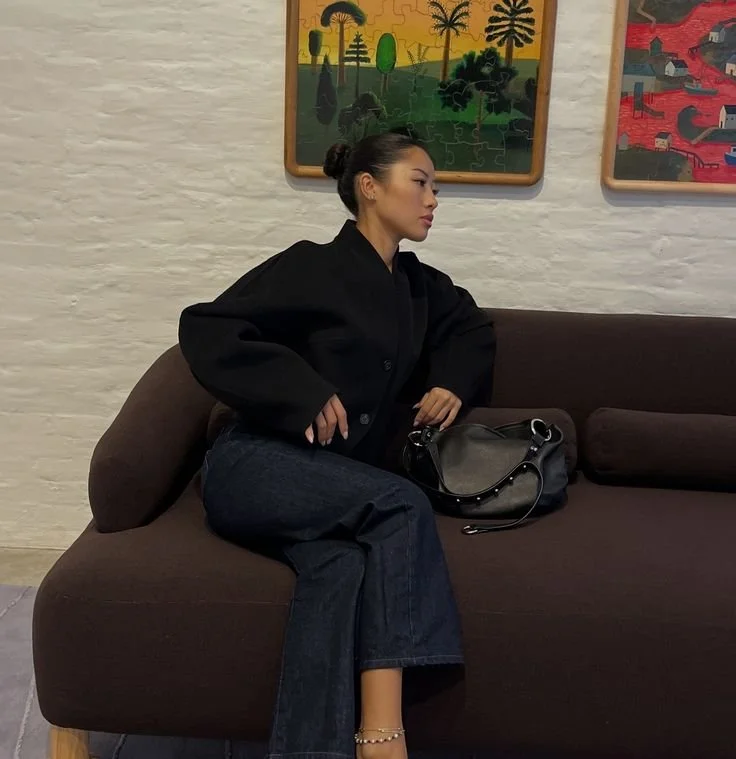
The digital world is evolving faster than the algorithm can keep up with.
Think back to over a decade ago when Instagram first blew up on the scene. The game was built on visibility - millennial pink, excessive floral brunches, the perfect shot of a Porn Star Martini, the weekly ritual of sharing our ‘MCM’ (I’m not explaining it, it’s already embarrassing).
But as the digital world expanded, these symbols contracted. The more we saw, the less we felt.
Out of this flattening emerged a hunger for substance. A shift toward those who read, who study, who think, who don’t need to perform their lives to validate them.
An era defined not by spectacle, but by subject. The modern woman stepping forward is one whose intellect is becoming her most powerful accessory.
The Collapse of Aesthetic Culture
I often reminisce about the time when we could post our hangover breakfast (mine was usually something greasy from a fast food spot), and that would be enough to garner fifty likes.
I also often agree with those who continuously beg Adam Mosseri to let us return to the days when Instagram was a visual platform, and the art of posting anything at all would be rewarded with attention
But if I’m completely honest, I can’t imagine if we did go back to uploading a glass of wine with no context, or a flatlay of makeup with the Valencia filter, I would care to ‘like’ it myself.
There was a time when showing your life online actually felt exciting, no matter the image. Posting the new pair of shoes you bought from Topshop, pictures of half-drunk cocktails from your night out on Clapham High Street, the snapshot of your hangover food the next morning, now that was storytelling in its finest for, it all felt like part of the cultural conversation.
But the era ran dry and eventually wore itself out. Once everyone had access to the same angles, the same filters, the same “everyone goes here” list of spots, the magic went away.
Even the people posting didn’t feel connected to it anymore. I know I didn’t.
You can kind of see it happening in real life - women deleting old content to the point where there’s only one post on their feed, fewer friends insisting “take a photo of me here,” or saying “let’s get a selfie for the gram” more people putting their phones face-down at dinner, and creators who once thrived on content shifting into other areas.
Lifestyle content became repetitive and predictable.
The novelty of aesthetics weakened with overexposure.
Everyone grew tired of performance being disguised as a personality.
The desire for depth replaced the desire for display.
The era didn’t exactly die, it dwindled over time. Its supporters grew up and realised they needed substance.
The Re-Enrolment into Education
I don’t know about you, but I’ll never forget that warm and sunny day in May when we signed each other’s shirts and rejoiced because we had completed our five-year sentences.
Meaning we wouldn’t ever have to return to the prison they convinced us to call ‘school’.
The heavens were finally smiling, and we were smiling back, only to find out almost 20 years later that education isn’t something women complete in our early twenties. It’s actually something we return to over and over again.
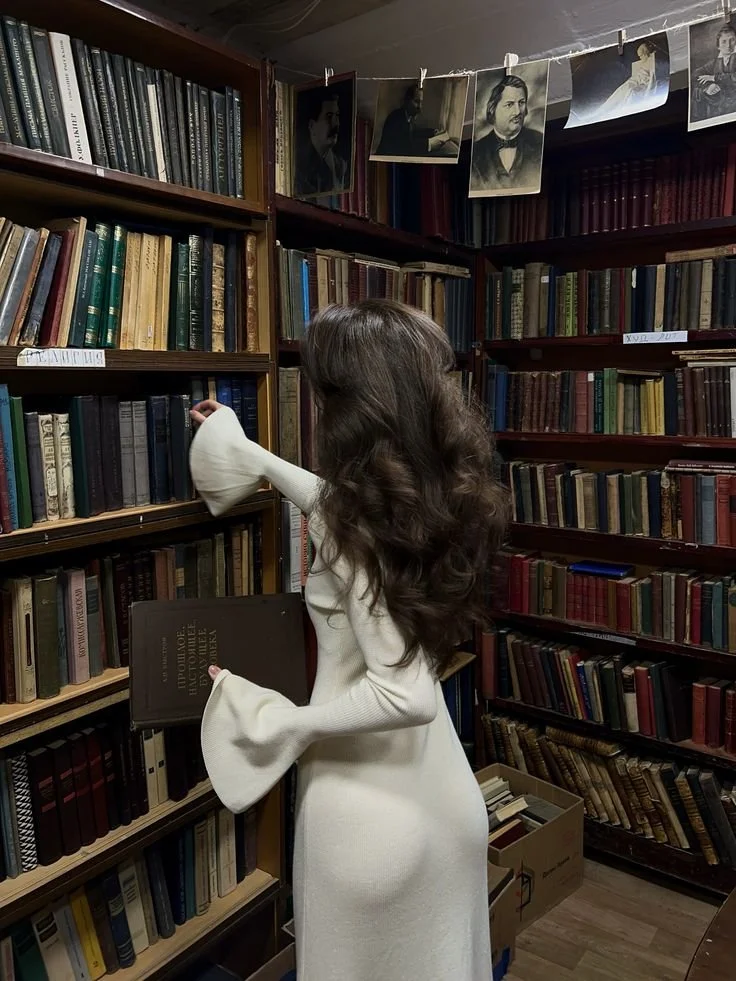
Today it’s normal to hear someone say they’re taking a short course in marketing, learning Arabic in the evenings, participating in a workshop about stocks and shares, attending a pottery class because they need creativity back, or spending weekends at gallery lectures because it feels grounding.
Education today extends far beyond obtaining a degree. Women want to understand more of the world they live in, but in a way that makes life feel more layered, more interesting, more catered to their unique desires.
Adult education is becoming part of lifestyle design
Courses are helping to shape identity and build confidence
Learning a language, skill, or subject becomes a form of self-expression
A woman who studies by choice feels powerful, in control and self-directed
Literacy as the New Marker of Taste
I think one of the most surprising new markers of status is not necessarily being able to read. I think that was always there.
But being able to read.
Not snippets. Not quotes pulled from Pinterest. Actual articles, actual essays, studies, research, actual books. Long-form content is having a moment again because it demands attention, and attention has become the rarest currency.
The new markers of material such as the FT Weekend on a Saturday morning, finishing a fantasy novel because you needed the escape, listening to book reviews on walks, getting into literary podcasts, joining small WhatsApp reading groups, and rediscovering magazines that still commission sharp writing.
Being literate in your chosen interest whether that’s finance, cuisine, fashion, history, psychology, architecture, health, or politics, signals depth.
Long-form reading improves taste, clarity, and conversation.
Literacy expands your identity and helps you to move easily through different types of circles, which can open more doors of opportunity.
Reading widely builds depth: fashion critics, market reports, fiction, essays.
When you consistently focus on improving your literacy in any area, your mind becomes part of you. People remember you for more than the outfit you wore.
Private Worlds Are More Attractive Than Public Lives
This desire for a deeper meaning is filtering out in the way we show up online. If we decide to show up at all.
While the social element of social media is pretty much non-existent, women are turning to a much more niche community, offline.
Smaller circles are becoming much more appealing, joining private groups and becoming selective over who gains access while gravitating toward like-minded people is the new goal and the favoured method of building true connection rather than commentary.
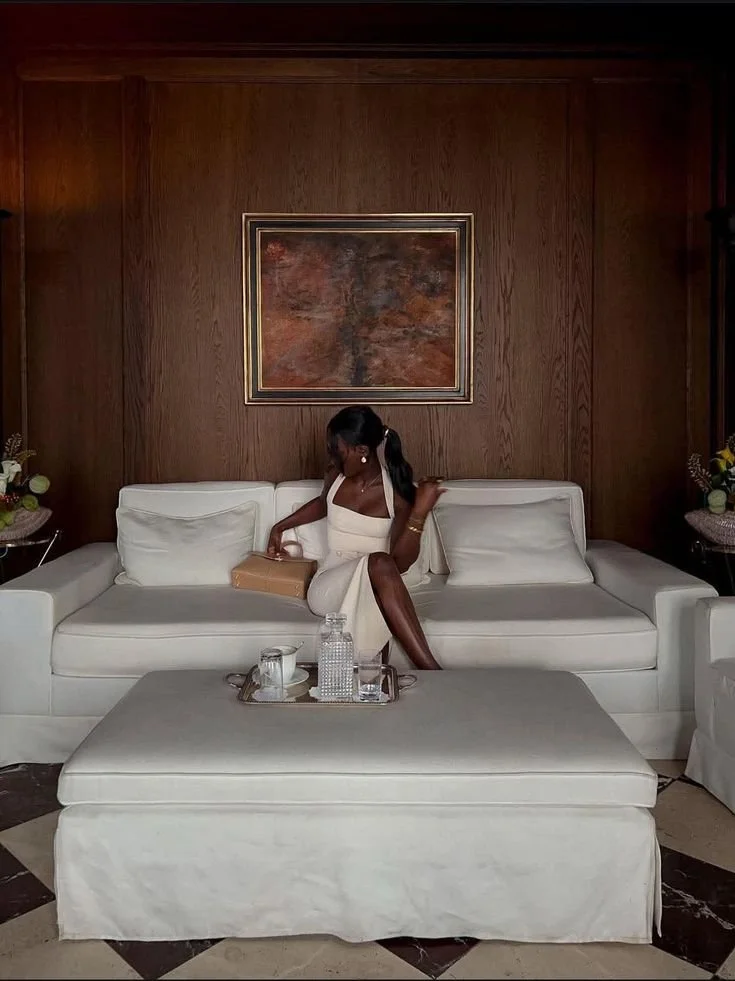
Members’ clubs, vetted circles, run clubs, book clubs and for those who don’t want to completely leave the social media circus, even private Facebook groups, have become modern sanctuary.
We’re starting to realise we that we don’t owe the internet our every moment, and when you become more intentional over where you spend your time, you begin to experience life differently.
Discretion signals maturity and emotional grounding
Private spaces offer a richer connection than public feeds
Women are valuing community over audience
Selective visibility strengthens identity instead of diluting it
Discretion isn’t just curating a private life, it’s about choosing who actually deserves
Who Is The Intellectual Influencer?
And as we noticed last week with Why The ‘It Girl’ is Losing Power, a new wave of influencers are rising.
The women who lead with intellect rather than aesthetics.
They’re making the art of personal finance look chic, breaking down political events so you make an informed decision come election time.
The new group of influencers are explaining interior architecture, exploring sustainable fashion, offering dental science in digestible language, unpacking psychological frameworks, teaching public speaking, and guiding their audience through the mechanics of a healthier mind.
Their appeal is not rooted in a perfected feed, but in the expertise of their lane.
These creators are shaping a cultural reset: influence based on value, not vanity. People now follow influencers who make them better, not just entertain.
It’s why educational content on TikTok is outperforming lifestyle content. Substance travels, and audiences recognise when someone is generous with their knowledge.
Intellectual influencers build trust through clarity and expertise.
They’re making learning glossy, aspirational and accessible.
Their influence is durable because it’s knowledge-based.
The intellectual influencer isn’t showing up to sell you her lifestyle. She’s showing up to guide you in expanding yours.
Finally
There’s a pivot happening. What’s rare now is not access but awareness, not visibility but the level of discernment we covered earlier.
Not aesthetics, but intellect.
Literacy, education, discretion, and intellectual influence have become the new pillars of modern luxury because they are the qualities that cannot be purchased, replicated, or imitated. They are earned over a substantial period of time, internally, and intentionally.
This is the direction we are is toward toward women who think, women who study, women who build inner worlds strong enough to solidify their outer ones.
This means, in an age where everything is available, the woman who thinks becomes the woman who leads.
